
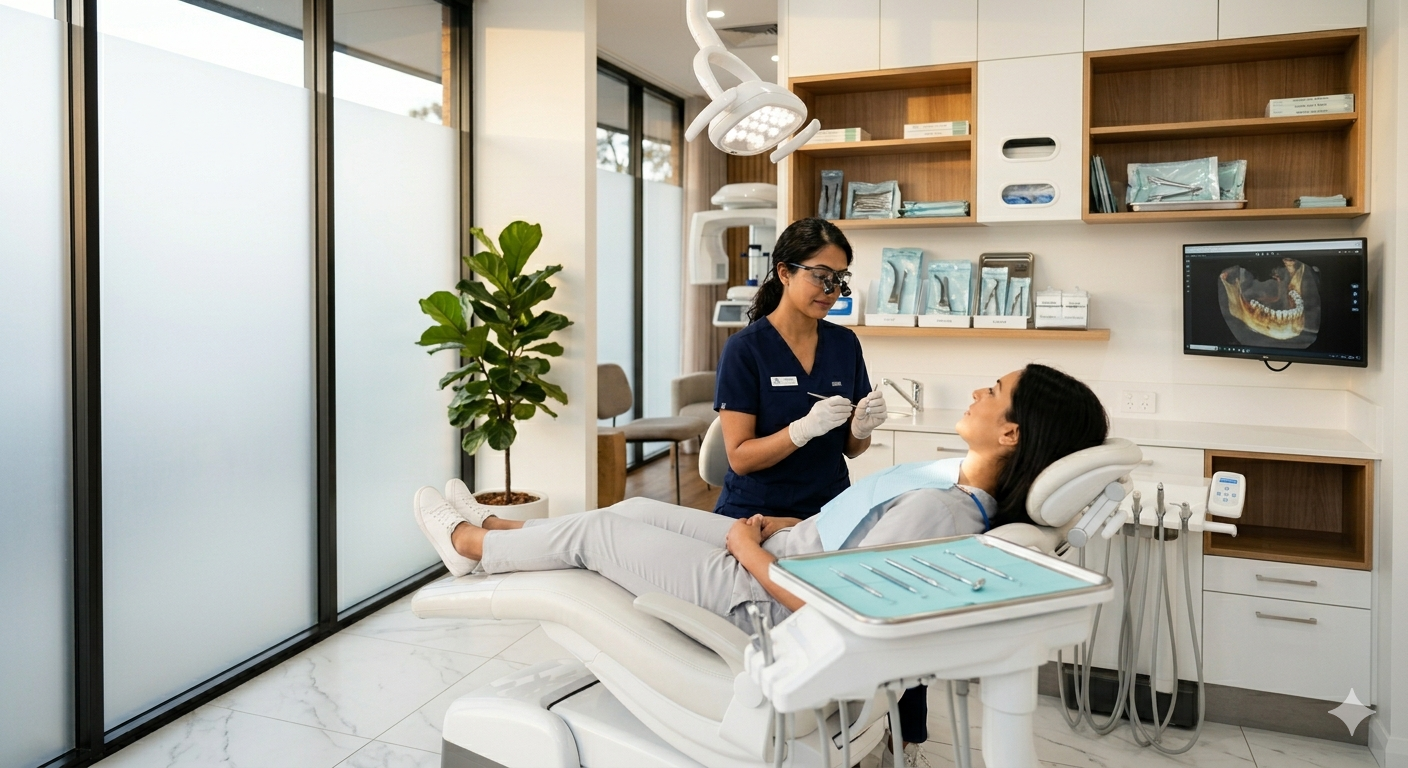
When a severe toothache strikes or a tooth becomes sensitive to hot and cold, it may be time for an emergency root canal. An emergency root canal in Brooklyn, NY, is designed to relieve pain quickly and prevent further damage to the tooth. This procedure can save a tooth that might otherwise need to be removed, restoring comfort and function.
Dentists in Brooklyn understand that dental emergencies can be stressful, so they focus on patient comfort and provide care using the latest techniques. Whether the pain is sudden or worsening over time, prompt treatment can make a big difference in recovery and long-term oral health.
If someone suspects they need emergency root canal treatment, reaching out to a trusted local dentist is a smart step. They can offer expert advice, a clear treatment plan, and reassurance to help ease anxiety around the process.
Knowing when to seek urgent dental care can help prevent more serious problems. Some signs are clear warnings, while others might feel subtle but still need quick attention. Understanding these signals will guide the right response.
Severe pain that won’t stop is often the most obvious sign of a dental emergency. Swelling around the face or jaw, sudden sensitivity to hot or cold, and visible damage like a cracked or knocked-out tooth also require prompt treatment.
Other signs include bleeding that won’t stop, difficulty swallowing or breathing, and a bad taste in the mouth that won’t go away. If a tooth feels loose or has shifted out of position, it’s important to seek help quickly to save it.
Severe tooth pain usually comes from inflammation or infection deep inside the tooth. This can happen due to untreated cavities, trauma, or a cracked tooth exposing the nerve.
Sometimes an abscess forms, which is a pocket of infection causing intense pain and swelling. Other causes include gum disease, dental fractures, or grinding teeth. Pain that worsens at night or with pressure is a red flag for emergency care.
If a toothache occurs, start by rinsing your mouth gently with warm water to clean the area. Use a cold compress on the cheek to reduce swelling and take over-the-counter pain relievers if needed—avoid placing aspirin directly on the gums.
Avoid very hot, cold, or sugary foods to minimize irritation. If the pain persists more than a day, intensifies, or is accompanied by swelling or fever, it’s important to contact a dental professional for urgent evaluation and possible root canal treatment.
Root canal therapy is a common dental procedure designed to relieve pain and save an infected tooth. It targets the inner pulp that can become inflamed or infected due to decay, trauma, or deep fillings. Understanding how it works, its benefits, and clearing up common misconceptions can help patients feel more comfortable with the treatment.
Root canal treatment focuses on cleaning out the infected or damaged pulp inside the tooth. First, the dentist creates a small opening to access the pulp chamber and root canals. Using tiny instruments, they remove the inflamed tissue and disinfect the space thoroughly to prevent further infection.
Next, the canals are shaped and filled with a biocompatible material called gutta-percha. This seals the canals and prevents bacteria from returning. Finally, the tooth is restored with a crown or filling to strengthen it and restore normal function. The entire process typically requires one or two office visits, depending on the infection’s severity.
Keeping a natural tooth through a root canal is often preferable to extraction. A natural tooth maintains proper chewing function and keeps surrounding teeth from shifting out of place, which helps preserve your bite.
Saving the tooth also prevents bone loss in the jaw, which commonly occurs after tooth extraction. Root canal therapy eliminates the infection without the need for more complex procedures like implants or bridges. This not only preserves oral health but can be more cost-effective in the long term.
Many people fear root canals because of outdated ideas about pain and complications. One myth is that root canals are painful. Modern techniques and anesthesia make the treatment no more uncomfortable than getting a routine filling.
Another misconception is that the treated tooth will become weak or brittle. Actually, once restored properly with a crown, the tooth can function normally for many years. Some also worry root canals cause illness, but numerous studies show they are safe and effective.
Patients should always discuss their concerns with their dentist to get clear, fact-based answers about the procedure.
Patients can anticipate a focused, efficient approach designed to relieve pain quickly while addressing the underlying infection. The process prioritizes comfort and clear communication, ensuring each step is explained and tailored to individual needs.
When a patient calls for an emergency root canal in Brooklyn, NY, the dental team typically schedules a prompt visit, often the same day or within 24 hours. Upon arrival, the dentist reviews symptoms and medical history to confirm the need for urgent treatment.
During the exam, X-rays or scans may be taken to assess the extent of the infection or damage. Next, the area around the affected tooth is numbed with local anesthesia to prevent pain during the procedure.
The dentist then begins the cleaning process by removing infected pulp tissue from inside the tooth. This step reduces inflammation and halts further infection. Depending on the situation, temporary or permanent sealing material may be applied before scheduling follow-up visits for full restoration.
Managing discomfort is a priority throughout the emergency root canal. Alongside local anesthesia to block pain, dentists often offer sedation options such as nitrous oxide or oral sedatives to help anxious patients relax.
During the procedure, the dental team monitors pain levels and adjusts anesthesia as needed to maintain comfort. After treatment, pain relief guidance typically includes over-the-counter medication recommendations and anti-inflammatory measures.
Patients receive clear aftercare instructions to minimize discomfort and promote healing at home. These may cover eating soft foods, avoiding temperature extremes, and maintaining gentle oral hygiene around the treated tooth.
Emergency root canal treatment relies on advanced tools to quickly identify the problem and provide relief. Accurate imaging and gentle techniques greatly improve patient comfort and speed up healing.
Digital X-rays capture detailed images of the tooth and surrounding bone, revealing the exact location of infection or damage. These images require less radiation than traditional X-rays, making them safer for patients.
Because the results appear instantly on a screen, dentists can diagnose the issue without delay and explain the problem clearly. This quick detection helps plan the root canal procedure efficiently, reducing time spent in the chair during your emergency visit.
Digital X-rays also allow for better monitoring of healing after treatment. Follow-up images ensure the infection clears up and the tooth remains healthy.
Modern root canal tools focus on minimizing discomfort. With flexible nickel-titanium files, dentists can clean the infected canals smoothly without excessive pressure or scraping.
Local anesthetics combined with sedation options help patients stay relaxed throughout the procedure. These methods reduce pain and anxiety, especially during urgent treatments.
Laser technology, sometimes used, can sterilize the canals effectively, lowering the risk of reinfection. More precise work means patients often experience less inflammation and faster recovery.
Patients are encouraged to ask about these techniques to feel confident about emergency care in Brooklyn.
When seeking emergency root canal care, finding a specialist who balances skill with patient comfort is essential. Practical factors like office location and ease of access also play a crucial role in timely treatment and overall experience.
A caring dental team helps reduce anxiety during emergency procedures. Look for specialists known for gentle bedside manner and clear communication. They should explain each step of the root canal calmly, answering questions without rushing.
Patient reviews often reveal how empathetic the staff is and how well they handle pain management. A team that takes time to understand individual concerns creates a more reassuring environment, which can make emergencies feel less overwhelming.
Getting to your appointment quickly is vital in emergencies. Select a clinic in Brooklyn that is close to your home or workplace, ideally near public transit or with easy parking.
Confirm the office hours, especially if they offer after-hours or same-day emergency visits. Ease of reaching the specialist can shorten wait times and speed up treatment, which matters when pain is intense.
| Factor | What to Check |
|---|---|
| Proximity | Near your home or work |
| Transportation | Close to subway/bus stops |
| Parking | Available or convenient options |
| Office Hours | Evening, weekend, or same-day |
Maintaining good dental health requires consistent care and timely professional visits. Simple daily habits and a proactive approach to scheduling checkups can significantly reduce the risk of emergency dental treatments.
Brushing teeth twice a day with fluoride toothpaste is essential. Using a soft-bristled toothbrush helps prevent gum irritation while effectively cleaning plaque. Remember to replace the toothbrush every three months or after an illness.
Flossing once daily removes debris and bacteria from spaces a brush can’t reach. Using an antimicrobial mouthwash can also reduce bacteria and strengthen enamel. Avoid sugary snacks and drinks, which feed harmful bacteria and can lead to decay.
Drinking plenty of water throughout the day helps wash away food particles and maintain saliva flow, which naturally protects teeth. Following these habits can prevent many common dental issues before they start.
Routine dental visits every six months allow early detection of problems like cavities and gum disease. These appointments include professional cleanings that remove hardened plaque (tartar) which can’t be cleared by brushing alone.
If a patient has a history of dental problems or risk factors like diabetes, smoking, or dry mouth, more frequent visits may be recommended. It’s also important to schedule checkups promptly if experiencing symptoms such as tooth sensitivity, pain, or swelling.
Regular dental exams combined with X-rays help monitor root and surrounding bone health, catching issues early. Staying on this schedule provides peace of mind and lowers the chance of needing emergency treatments.
When sudden tooth pain strikes, the first step is to avoid chewing on that side. This helps protect the damaged tooth from further stress.
A cold compress or ice pack applied to the cheek can reduce swelling and ease throbbing pain. It’s best to use the compress for 15-minute intervals.
Over-the-counter pain relievers like ibuprofen or acetaminophen often help manage the discomfort. However, patients should always follow the dosage instructions and check for any allergies.
Rinsing the mouth gently with warm salt water can clean the area around the tooth. This can also soothe inflammation and flush out debris.
Avoid very hot, cold, or sugary foods and drinks until the tooth feels better. These can irritate the nerve and worsen the pain.
Patients experiencing severe or persistent pain should contact their Brooklyn dental office immediately. Emergency root canal treatments are available to relieve pain and save the tooth.
Here’s a quick checklist for immediate care:
| Action | Purpose |
|---|---|
| Avoid chewing on the affected side | Prevents further damage |
| Apply cold compress | Reduces swelling and pain |
| Take recommended pain relievers | Manages discomfort |
| Rinse with warm salt water | Cleans and soothes |
| Avoid extreme temperatures | Prevents nerve irritation |
Keeping calm and following these steps can help patients feel more comfortable while preparing for professional treatment.
Emergency root canals in Brooklyn often raise questions about timing, costs, and insurance. Patients want to know when to seek care, how fast treatment can begin, and what payment options exist.
Yes, many emergency dentists in Brooklyn offer same-day root canal treatment for severe pain. Getting prompt care can prevent the infection from worsening and relieve discomfort quickly.
The ER can handle dental emergencies only if the infection is life-threatening or causing severe swelling. For most cases, an emergency dentist provides more specialized and immediate root canal services.
Increasing pain, facial swelling, fever, and difficulty swallowing indicate a worsening infection. These symptoms require prompt dental attention to avoid complications.
Root canal costs in Brooklyn typically range from $700 to $1,200 depending on the tooth and complexity. Many dental offices offer payment plans, credit options, and accept insurance to ease the financial burden.
Some emergency dentists in Brooklyn accept Medicaid and Healthfirst, but coverage varies. It’s best to confirm with the office before your visit to understand which plans they accept.
Many emergency dental offices welcome walk-ins and have extended hours, including nights and weekends. While 24/7 dental care is rare, some Brooklyn clinics provide late-hour services to handle urgent cases.